

You're Paying Twice for the Same Job! (and Not Noticing)

The same shower drain got "fixed" in April, in June, and again last week. Three work orders, three invoices, one problem. Nobody noticed — because each visit entered the system as a brand-new ticket.
That's the thing about rework: it never announces itself. It re-enters the queue dressed as fresh work.
Where the money leaks
When a job comes back, you pay at least three times: the second labor bill, the extra vacancy days if it's a turn, and a resident who now believes maintenance "never fixes anything" — which is a renewal risk wearing a work-order number. And because repeats hide inside normal flow, the patterns never surface: the caulk failing in every tub in Building C. The paint flashing on every patched wall because prep got rushed. The drain that was never a drain problem — it was the line.
The 4-field log
You don't need software or a committee. You need four fields, filled in every time work returns within 90 days of being closed:
Unit — where it happened
Trade — what kind of work
Root cause — pick exactly one: rushed prep · wrong diagnosis · bad materials · damaged by another trade
Vendor — who did the original job
That's the whole log. The discipline is in the third field: forcing one answer instead of "these things happen."
The 15-minute month
Once a month, sort the log by trade and by vendor, and look for repeats. Each root cause points at a different fix:
Rushed prep, repeating → a scheduling problem. Trades are stacked too tight to do the job right.
Wrong diagnosis → a triage problem. Whoever takes the call isn't asking the right questions before dispatching.
Damaged by another trade → a sequencing problem. Paint went in before punch was done; carpet before the final clean.
Bad materials → a spec decision that's been waiting for you to make it.

One decision per pattern, per month. This isn't a quality crusade — it's a log and a short meeting.
"Done" needs a photo
Every callback conversation with a vendor goes in circles until someone can show what "done" looked like. Completion photos end the debate in seconds: either the work was right and something else failed afterward, or it wasn't right — and now everyone knows which. It's also the honest way to hold your own team to the same bar you hold vendors to.
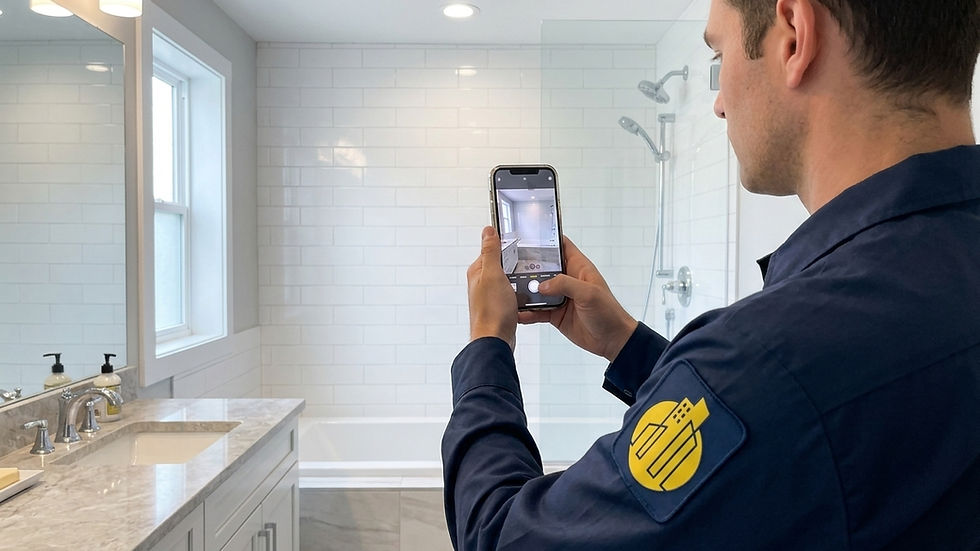
That's the standard 360 runs on. Every job is photo-documented before and after, a QA team reviews the work, and callbacks stay under 3% — which means the pattern-hunting is our job, not yours. And when a turn punch item does surface, the 7-day workmanship warranty means it gets fixed, not re-invoiced.
Ask the question
In your next vendor conversation, ask one thing: "What's your callback rate — and how do you know?" A real number means they track their own rework. A blank stare means you've been funding their learning curve. If you'd rather see the tracked version, talk to a 360 expert.




Comments